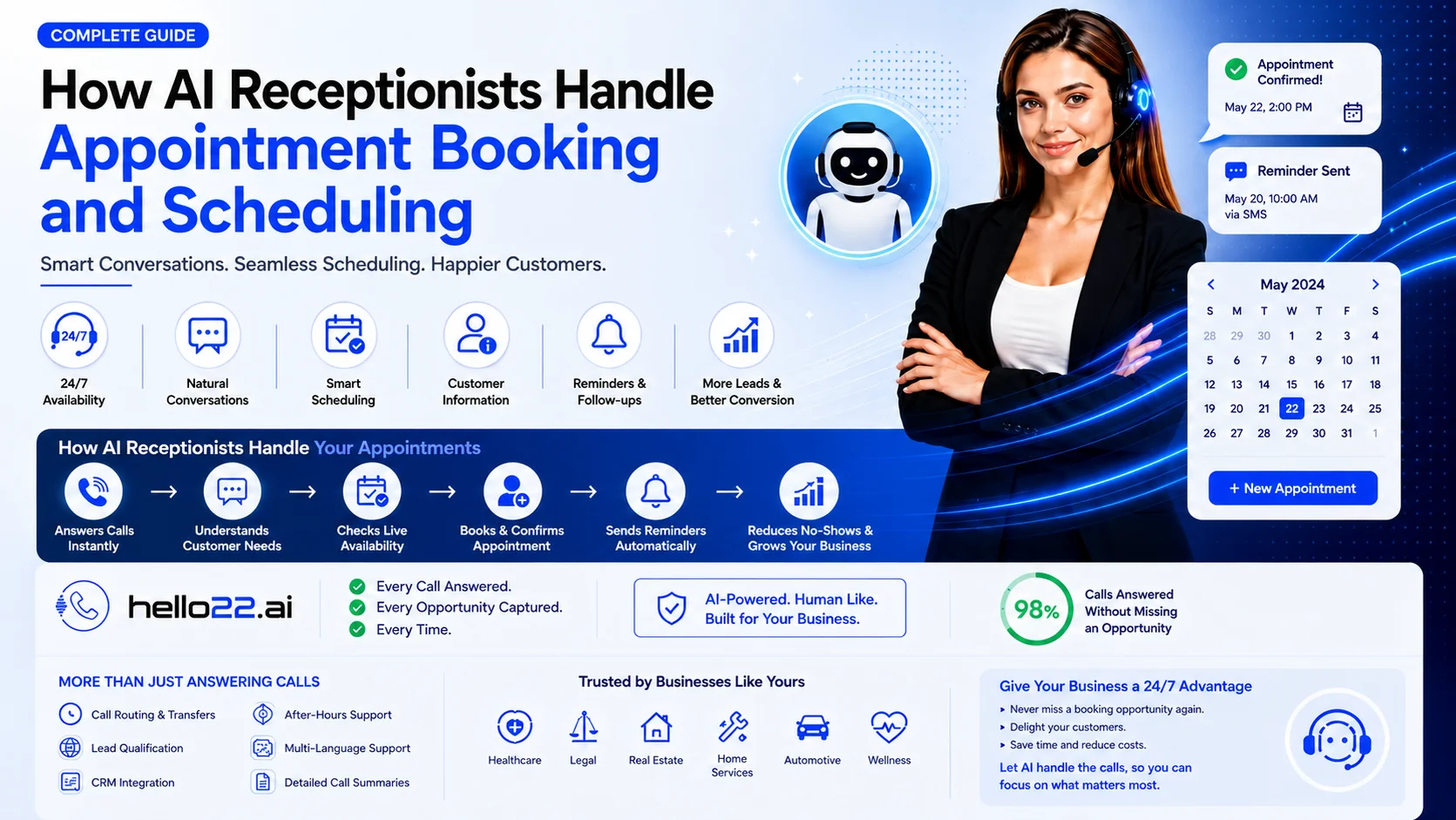

When your business misses a phone call, the biggest loss usually isn’t a missed voicemail it’s a potential customer choosing a competitor. Most people call because they need help right away, whether it’s booking a repair, reserving a table, or scheduling an appointment. If nobody answers, many won’t leave a message or wait for a callback; they’ll simply ring the next business. The real cost isn’t just the missed call it’s the lost booking, lost revenue, future repeat business, and even referrals that could have come from that customer.
Here’s what’s happening on the other end of that unanswered ring, why it happens more than most business owners realise, and what you can do about it.
What Actually Happens When a Caller Doesn’t Get Through
Picture the caller’s side for a second. They’re calling because they have a need right now: a leaking tap, a sore tooth, and a table for six on Saturday. The phone rings out, or it goes to voicemail.
From here, industry research on caller behavior consistently points to the same pattern, even though the exact percentages vary quite a bit between studies and industries: a large share of callers who don’t get through simply don’t leave a message. Many will try the next business instead, especially if there’s an obvious alternative: a Google search away, in most cases. View 7 Best AI Receptionists for Small Businesses in Australia
This matters because a phone call is usually a higher-intent moment than a website visit or a form of submission. Someone picking up the phone has often already decided they want to move forward. Losing that moment is a different kind of loss than losing a casual browser.
📌 Quick Summary
- Most callers who don’t get through never leave a voicemail. Instead, they simply contact the next business that answers.
- A missed call can cost far more than one booking. It may also mean losing repeat business, referrals, and long-term customer value.
- Small businesses commonly miss calls because staff are serving customers, working on-site, taking lunch breaks, handling after-hours enquiries, or dealing with spam and robocalls.
- You can identify your missed-call patterns by reviewing your phone provider’s call logs or using tools such as Hello22 AI’s free missed-call calculator.
- Reducing missed calls doesn’t always require hiring more staff. The best solution depends on your call volume, business needs, and budget.
Why Voicemail Isn’t the Safety Net Most People Think It Is
Voicemail feels like a backup plan. In practice, it often isn’t one. A lot of callers, particularly younger customers, treat voicemail as a dead end rather than a message service. If they’re comparing a few businesses (which is common for trades, healthcare, and hospitality bookings), leaving a voicemail means waiting for a callback and waiting is exactly what they were trying to avoid by picking up the phone in the first place. Read About – AI Receptionist vs Human Receptionist
Even when a voicemail is left, the businesses that follow up fastest tend to have the best chance of winning that customer back. If a callback happens hours later, there’s a real chance the caller has already booked with someone else.

Why Small Businesses Miss Calls in the First Place
This isn’t usually about businesses not caring for. It’s about the realities of running a small operation:
- You’re already with a customer. Front-desk staff, tardies mid-job, and single-operator businesses can’t always drop what they’re doing.
- You’re on the tools, not near a phone. Plumbers, electricians, and other trades spend most of the day physically working, not sitting by a phone.
- It’s after hours. Customers don’t only call 9-to-5. Evenings and weekends are common for people to finally get a free moment to book something.
- It’s lunch, or a genuine break. Small teams don’t always have someone free to cover the phone every single hour.
- Spams and robocalls are eating into staff time and attention. Between unknown numbers and telemarketing calls, some genuine customer calls get missed, ignored, or answered late simply because so many incoming calls aren’t worth answering. The ACMA’s work on combating phone scams gives a sense of just how large this problem has become at a national level.
None of these are unusual or careless. They’re just the normal friction of running a small business with limited hands.
Realizing It Signs You Might Be Losing Calls Without Realizing It
Most business owners underestimate this until they actually check. Some signs worth paying attention to:
- You don’t know, roughly, how many calls you get in a week.
- You’ve never looked at your phone’s missed-call log or checked with your provider about it.
- Staff regularly say, “I meant to call them back,” about a customer who never heard from you again.
- Your busiest hours (lunch, closing time, weekends) are also the hours when nobody’s near the phone.
- You get noticeably more online enquiries than phone bookings, despite listing a phone number everywhere.
If two or more of these sound familiar, it’s worth actually checking the numbers rather than guessing.

A Quick Way to Actually See What This Is Costing You
Most mobile and VoIP providers keep a call log you can check directly for “missed calls” or “call history” in your provider’s account portal. It’s worth doing this for a full week, not just a day, since patterns like lunch-hour or after-hours gaps only show up over time. Do you know – Top 10 Benefits of an AI Receptionist for Australian Businesses
If you’d rather get a rough estimate without digging through call logs, Hello22 AI has a free lost revenue calculator: you pick your industry, move a few sliders for call volume and average job value, and it gives you a rough estimate in about ten seconds. It’s a reasonable starting point for a conversation, not a precise audit, but it’s a fast way to see whether this is a small leak or a real problem for your specific business.
What You Can Actually Do About It
There’s no single right answer here; it depends on your call volume, budget, and how much of this you want to manage yourself.
- Add a rostered person to cover peak hours. Works well if your call volume is high enough to justify the wage, but it doesn’t solve after-hours or lunch gaps unless you extend the roster too.
- Forward calls to a mobile. Cheap and simple, but interrupts whoever’s holding the phone, and doesn’t scale if two calls come in at once.
- Turn on voicemail-to-text. Better than nothing, but it doesn’t change caller behavior; most people still won’t leave a message in the first place.
- Use a human-staffed answering service. Good for businesses that want a real person handling every call, though usually more expensive and still limited by that service’s own operating hours.
- Use an AI receptionist. AI receptionist answers instantly, every time, including after hours, and can book appointments directly instead of just taking a message.
The right fit depends entirely on your call volume and how much of the process you want automated versus handled by a person.
How Hello22 AI Approaches This Specific Problem
Since the core issue here is calls going unanswered, it’s worth looking at how Hello22 AI is built to address exactly that:
- Every call is answered, 24/7, no hold music, no voicemail, no ring-out, including evenings, weekends, and public holidays.
- The caller’s name, number, and reason for calling are captured on every call, so even enquiries that don’t turn into an immediate booking aren’t lost.
- A summary is sent by SMS, email, and WhatsApp at the moment the call ends, so nothing sits unnoticed in a voicemail inbox.
- Urgent or complex calls can be routed straight to your team, with the caller’s details already attached, instead of being left for a callback.
One example published on Google from a dental clinic client describes going from missing an estimated 15 to 20 calls a week, mostly during evenings and lunch hours, to having every call answered, with the clinic reporting a noticeable rise in bookings afterward. As with any vendor testimonial, treat it as one business’s reported experience rather than a guaranteed outcome for yours. The calculator linked above is a better way to estimate your own specific numbers.

Trusted Resources
- ACMA Combating Phone Scams useful background on how much spam and scam call volume Australian phone lines deal with, and what’s being done about it.
- Do Not Call Register the official register for reducing unwanted telemarketing calls to your business or personal line.
❓ Frequently Asked Questions
Do customers really not leave a voicemail if nobody answers?
Many callers don’t leave a voicemail. While behaviour varies depending on age, industry, and urgency, a large number of people treat an unanswered call as a reason to contact another business instead of waiting for a callback.
How many calls does a typical small business actually miss in a week?
It varies significantly depending on the industry, staffing levels, and call volume. The most accurate way to understand your missed calls is to review your own phone provider’s call logs over a full week rather than relying on general averages.
Is a missed call really worse than a slow email or text reply?
In many cases, yes. A phone call usually shows stronger urgency and buying intent than a written enquiry. Someone calling about an emergency repair, medical appointment, or service request is often ready to take action immediately.
If I call a customer back later, does that fix the missed call?
Sometimes, but the chances of winning the customer decrease as response time increases. A same-day callback may still secure the job, but waiting until the next day gives competitors more opportunity to respond first.
Could spam or robocalls be part of why I’m missing genuine customer calls?
Yes. Spam and robocalls can make businesses ignore unknown numbers or spend valuable time screening calls, increasing the chance that genuine customer enquiries are missed or delayed.
Is there an easy way to actually see how many calls my business is missing?
You can review your phone or VoIP provider’s call logs to track missed calls over a week. You can also use tools like Hello22 AI’s free lost revenue calculator to estimate the potential impact of missed customer enquiries.
What’s the fastest way to stop missing calls without hiring extra staff?
Call forwarding and voicemail-to-text can provide temporary help, but they don’t solve the core problem of unanswered calls. An AI receptionist or human answering service can answer calls in real time without requiring a full-time hire.